Scaling New School Models: From Innovation to Operational Reality
Scaling New School Models: From Innovation to Operational Reality
April 1, 2026
By: Laura Neff-Henderson, Communications Director, FlexPoint
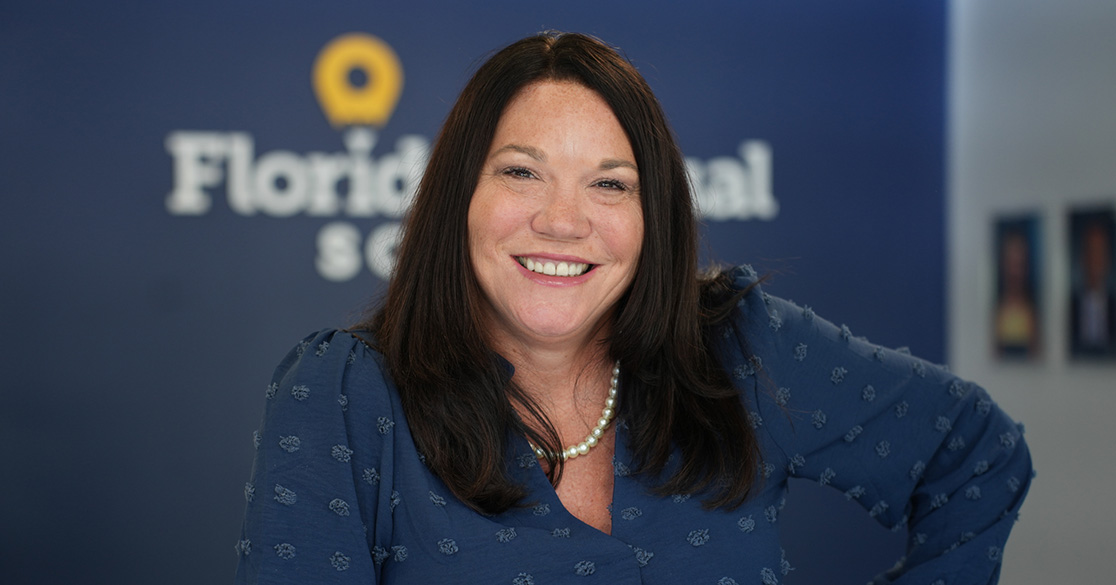
Robin Winder, the chief academic officer for FlexPoint, will join a panel at this year’s ASU+GSV Summit 2026 (April 12–15 in San Diego) examining the conditions that support school founders and the friction that can impede progress.
Across the country, a new generation of school models is shaping K-12 education. Microschools, hybrid and blended programs, virtual options, and community‑based learning hubs are moving rapidly from the margins to the mainstream. Families are increasingly seeking learning environments that offer personalization, flexibility, and alignment with children’s education needs, and districts are responding with bold new designs.
While innovation is accelerating, the work required to scale these models sustainably often happens behind the scenes.
When Innovation Meets Reality
The earliest challenges new school models face are rarely instructional. Traditional attendance methods, reporting requirements, staffing structures, funding verification, curriculum approvals, accreditation expectations, and assessment windows quickly shape what’s possible. As schools work to scale new models, these pressures often intensify.
Although schools differ in structure and philosophy, certain operational needs remain constant. Every school (traditional, hybrid, virtual, microschool) must meet expectations for reporting academic progress, tracking attendance, administering assessments, and demonstrating student learning. And, many also have to navigate facilities regulations, fiscal oversight, and enrollment verification.
For emerging school models, these tasks can feel heavy. Microschools often operate with lean teams. Hybrid programs must document learning across multiple environments. Virtual models must map digital systems to reporting rules designed for brick‑and‑mortar settings.
ESA‑funded programs add complexities in payment verification, purchasing restrictions, and parent documentation.
Many districts address these challenges by using established virtual or hybrid operating frameworks that include state‑aligned curriculum structures, assessment pacing guides, and reporting workflows, thereby reducing the lift on small or emerging teams.
Why Scaling Is More Difficult Than Launching
Many promising models are anchored in strong instructional design—relationship‑driven teaching, project‑based learning, or mastery‑based progression. But vision alone does not scale. Four common challenges often determine whether programs can grow successfully:
- Compliance and Reporting: Aligning attendance, grading, and testing to state requirements takes time and expertise. Even small errors can have significant impacts.
- Staffing and Teacher‑of‑Record Structures: Microschools often rely on guides or paraprofessionals, but many states require certified teachers of record. Designing a staffing system that maintains instructional quality while meeting regulations is crucial.
- Curriculum and Instructional Coherence: Without a shared instructional backbone, each site may develop its own approach. This limits scalability and creates inconsistency in pacing, assessment, and instructional quality.
- Family Experience and Growth Readiness: As interest grows, family onboarding, communication, and support systems must expand in step with enrollment. Without consistent processes, growth can outpace capacity.
These challenges reveal a fundamental truth about school innovation: strong ideas require strong infrastructure to last. Ideas may spark momentum, but operations sustain it.
How to Build for Long-Term Sustainability
For new models to thrive, three conditions matter most:
- A clear instructional foundation: A reliable curriculum and assessment structure creates consistency across schools and supports strong instructional practice.
- Operational systems that scale: Attendance tracking, reporting, communication workflows, and data systems must be built for repeatability—not recreated each time a new school opens.
- Alignment with policy and compliance expectations: Understanding policy boundaries and designing systems within them supports sustainable growth.
Leadership support also plays an important role. Leaders thrive when operational systems create clarity and manageable expectations, conditions that help sustain innovation beyond the launch.
When these elements are in place, school and district leaders are better equipped to navigate growth, shifting funding, and accountability demands—without sacrificing what makes their model distinctive.
Join the Conversation at ASU+GSV Summit
These operational realities, and the opportunities they create for sustainable innovation, will be central themes at this year’s ASU+GSV Summit 2026, April 12–15 in San Diego. The Summit brings together more than 7,000 leaders across the “PreK‑to‑Gray” learning ecosystem, including educators, district leaders, policymakers, entrepreneurs, investors, and edtech innovators, to explore the future of learning.
FlexPoint Chief Academic Officer, Robin Winder, will join a panel exploring these challenges firsthand in this session on the Multiple Choice Stage:
“A New Wave of School Innovation – The Promise and Perils of Being a New School Entrepreneur”
Wednesday, April 15, 2026 | 10:10-10:50 a.m. PT
The session will examine where innovative school models most often encounter friction and what founders and district leaders need to move beyond early success toward long‑term sustainability.
Additionally, the FlexPoint team will be available in the Seaport Foyer during exhibitor hours to discuss how FlexPoint, the national extension of Florida Virtual School, partners with PreK-12 schools and districts nationwide to support long-term success.
Looking Ahead
As schools and districts continue to develop next‑generation learning models and build flexible, student-centered programs, the foundational solutions discussed will help ensure they are set up for success.
FlexPoint has 25 years of experience supporting district‑run virtual and hybrid programs and offers flexible short- and long-term solutions to many of the challenges these programs face. If you would like to chat with a FlexPoint team member about how we can support your school or district, we'd love to hear from you.
About the Author: Laura Neff Henderson serves as the Director of Communications for Florida Virtual School and FlexPoint, leading the team responsible for elevating the mission and impact of online education. Her work spans crisis communications, media and public relations, and executive communications to support the organization’s mission. She is passionate about showcasing student experiences and honoring the teachers and leaders who make meaningful learning opportunities possible.